Mold Remediation in West LA: What It Actually Involves and When It's Necessary
Mold is more common in West LA homes than most homeowners realize. Here's what professional remediation involves — and what it doesn't.
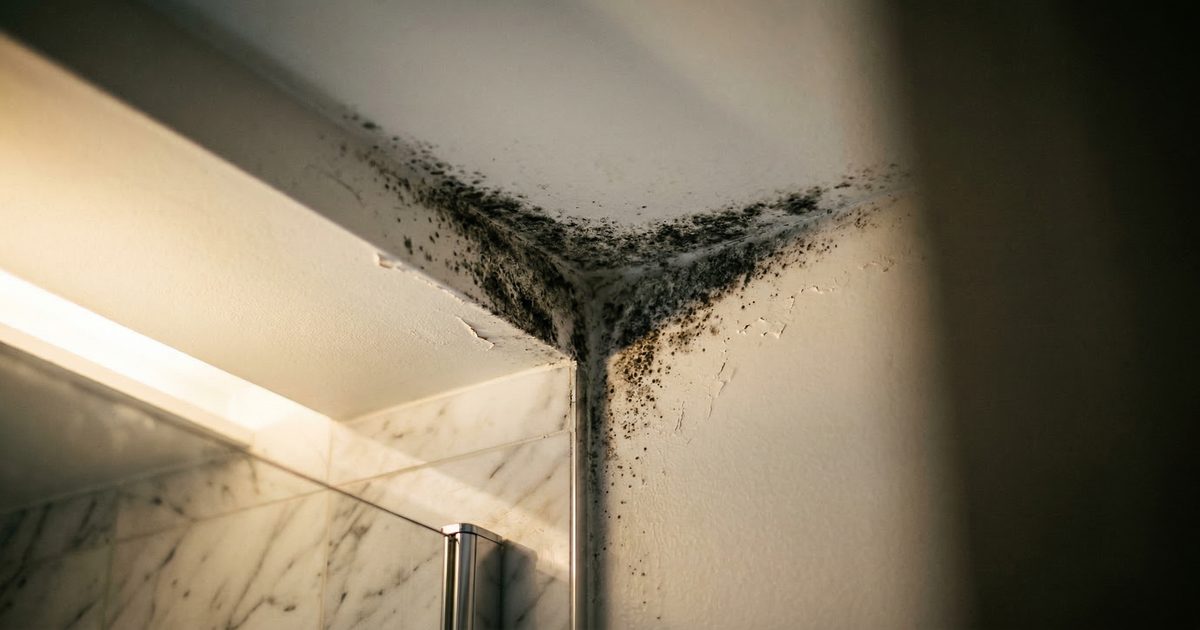
West LA's coastal climate — moderate temperatures, periodic marine layer moisture, and occasional heavy rain — creates conditions where mold can establish in any home with a moisture problem. Understanding what mold remediation actually involves, when it's necessary, and how to verify the work was done correctly is essential.
What Mold Remediation Actually Is
Professional mold remediation is not spraying bleach or Kilz on visible growth. It involves establishing negative pressure containment to prevent spore spread during work, removing all porous materials that are actively colonized (drywall, insulation, wood framing if affected), HEPA vacuuming all surfaces within the containment area, applying EPA-registered antimicrobial treatment, and performing clearance air testing after work is complete to confirm spore counts have returned to acceptable levels. Anything less is surface treatment, not remediation.
Assessing the Actual Scope
Visible mold on a wall surface is the tip of the iceberg. The actual colonization typically extends 12–18 inches beyond the visible boundary into drywall and behind wall cavities. Moisture mapping with a professional meter before any demolition determines the full scope. Attempting to remove only visually affected material often leaves active colonization behind, resulting in recurrence within weeks.
Post-Remediation Testing: Non-Negotiable
Any professional remediation should include clearance testing — air sampling performed by an independent industrial hygienist after the work is complete. This confirms that spore counts have returned to normal background levels before containment is removed and reconstruction begins. Remediation companies that perform their own clearance testing have an obvious conflict of interest. Always require independent third-party clearance testing.
Musty smell in any room. Visible discoloration on walls or ceilings. Recurring respiratory symptoms in occupants. Bubbling or peeling paint. Any of these warrants mold investigation before cosmetic repair — painting over mold accelerates the problem.
Painting over mold doesn't remediate it. It hides it temporarily while the colonization continues behind the surface — and when it reappears, it's larger than before.
| Scope | Typical Cost |
|---|---|
| Small area (under 10 sq ft) | $500–1,500 |
| Medium area (10–50 sq ft) | $2,000–5,000 |
| Large area (50–200 sq ft) | $5,000–15,000 |
| Whole room or structural involvement | $10,000–30,000+ |
| Post-remediation clearance testing | $400–700 |
Noticed mold or a persistent musty smell?
Professional mold assessment and remediation across West LA. We work with your insurance and provide independent clearance testing.