What to Do in the First 60 Minutes After a Pipe Burst
The difference between $2,000 in damage and $40,000 is what you do in the first hour. Here's the step-by-step.
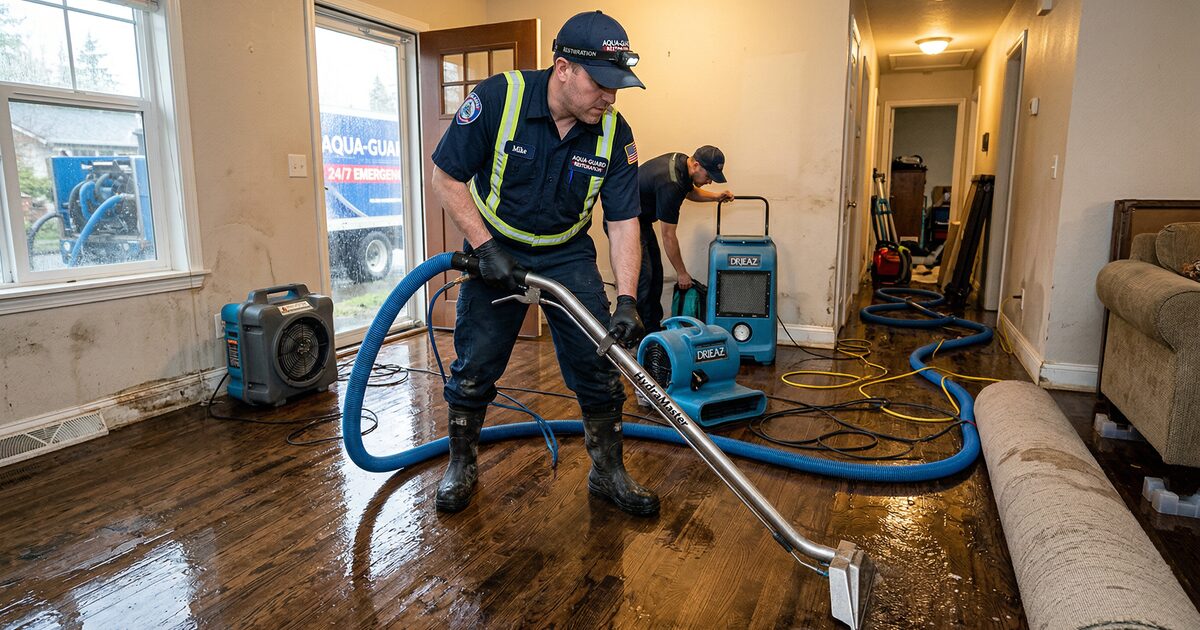
A burst pipe can release 4–8 gallons of water per minute into your home. In 15 minutes, that's 60–120 gallons — enough to saturate flooring, soak into drywall, and start damaging structural framing. The actions you take in the first 60 minutes determine whether this is a $2,000 cleanup or a $40,000 gut-and-rebuild. This is your step-by-step action plan.
Minutes 0–5: Stop the Water
Find and shut off your main water valve immediately. In most LA homes, it's in one of three places: near the front of the house by the street (usually in a concrete box near the sidewalk), on an exterior wall near the water heater, or in the garage. Turn it clockwise until it stops. If you can't find the main valve or it's stuck, turn off the valve at the water meter — it's in the concrete box at the curb, and you may need a meter key (a T-shaped tool available at any hardware store for $10). If water is near any electrical outlets, switches, or your electrical panel, do NOT touch anything — go to your main breaker and shut off power to the affected area first.
If you're reading this during an active pipe burst: stop reading and shut off the main water valve. Every minute matters. Come back to this guide once the water is off.
Minutes 5–15: Document and Protect
Once the water is off, take photos and video of everything — the source of the burst, the water spread, all affected rooms, and any belongings in the water. Do this before you start cleaning. Your insurance company needs documentation of the damage as-found. Then: move furniture and valuables out of standing water, lift curtains and upholstered items off wet floors, and open cabinets and closet doors to start air circulation. If it's a clean water burst (supply line, not sewage), start removing standing water with towels, a mop, or a wet vac if you have one.
Minutes 15–60: Start Drying, Call for Help
Open every window and door in the affected area for cross-ventilation. Turn on ceiling fans and any portable fans you have — moving air is the single most important factor in preventing mold growth. If you have a dehumidifier, run it on the highest setting. Pull back carpet from wet areas if possible — carpet padding absorbs water like a sponge and traps it against the subfloor, creating ideal mold conditions within 48–72 hours. Call a water restoration company to schedule emergency extraction and drying. File your insurance claim — most policies require prompt notification.
| Time | Action | Why It Matters |
|---|---|---|
| 0–5 min | Shut off main water valve | Stops the flood at the source |
| 0–5 min | Kill power to affected areas | Prevents electrocution risk |
| 5–10 min | Photo/video all damage | Critical for insurance claim |
| 10–15 min | Move valuables out of water | Prevents further property loss |
| 15–30 min | Remove standing water | Reduces moisture saturation |
| 15–30 min | Open windows, run fans | Starts drying, prevents mold |
| 30–60 min | Call restoration company | Professional extraction & drying |
| 30–60 min | File insurance claim | Most policies require prompt notice |
The water you can see is only half the problem. The water you can't see — soaked into drywall cavities, under flooring, and into insulation — is what causes mold, structural damage, and the really expensive repairs.
Dealing with a pipe burst right now?
24/7 emergency response across West LA. We're on-site within 60 minutes to stop the damage.