Slab Leaks in West LA: Detection, Cost, and Your Options
One of LA's most common — and most misdiagnosed — plumbing problems. Here's what a slab leak is and what your options are when you have one.
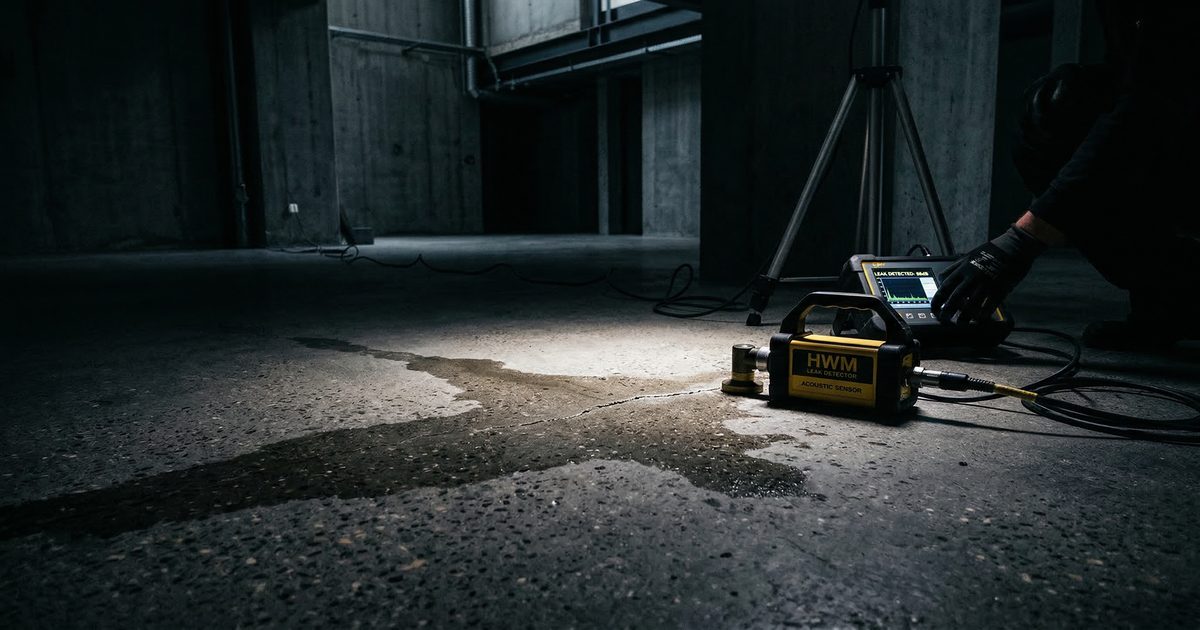
Los Angeles was built during a post-war boom that produced hundreds of thousands of homes with copper pipes embedded directly in concrete slab foundations. Decades later, those pipes are corroding. Slab leaks are among the most common plumbing issues in West LA — and among the most frequently misdiagnosed as something else entirely.
What a Slab Leak Actually Is
A slab leak is a leak in the water supply or drain lines that run beneath your concrete foundation. Hot water line leaks are far more common than cold, because thermal expansion accelerates corrosion at the points where pipes contact concrete. The leak itself may be a pinhole — but water under pressure finds its way through concrete, into flooring, and eventually causes significant structural damage if left unaddressed. In hillside homes, the hydrostatic pressure differentials make the problem even more acute.
The Warning Signs to Know
Hot spots on the floor — areas noticeably warmer than surrounding surfaces — indicate a hot water line leak beneath. The sound of running water with all fixtures off is a strong indicator. Sudden water bill spikes without usage changes are classic. Cracks in flooring, damp soft areas of carpet, or visible water pooling at the base of walls are advanced signs. When multiple signs appear together, call immediately — hours matter.
Your Three Repair Options
Once confirmed through electronic leak detection, you have three paths. Spot repair means breaking through the slab at the leak point — lower cost but doesn't address the underlying pipe condition. Line rerouting runs new pipe through walls or ceiling to bypass the slab entirely, avoiding further slab penetration. Whole-house repiping in PEX replaces all supply lines, addressing the root cause permanently. For any home with aging copper and a first detected slab leak, rerouting or repiping is almost always the right long-term answer.
Every day a slab leak runs, water migrates through your foundation. Mold begins colonizing in as little as 24–48 hours in saturated materials. Early detection saves the foundation — late detection loses it.
The most expensive slab leak is the one the homeowner decided to monitor for a few more months. Water under pressure does not improve on its own.
| Repair Method | Typical Cost | Best For |
|---|---|---|
| Electronic leak detection | $400–700 | Pinpointing before any work begins |
| Spot repair (slab penetration) | $1,500–3,500 | Single isolated leak on newer pipe |
| Line rerouting (bypass slab) | $2,000–5,000 | First slab leak on aging pipe |
| Whole-house repiping (PEX) | $8,000–20,000 | Multiple leaks or 40+ year copper |
Hearing running water with everything off?
Electronic slab leak detection across West LA. We locate the problem before any work begins — no guesswork.